Why Do People Preserve Their Eggs or Embryos?
There are many reasons someone may choose to preserve their fertility.
These can include a diminishing ovarian reserve, cancer treatment, gender-affirming treatment, infertility, endometriosis, male-factor infertility, medical conditions that may affect future fertility, or simply wanting to postpone childbearing.
Fertility preservation is not just for people who currently have infertility.
For many people, it is about preserving future reproductive options.
Diminishing Ovarian Reserve
One reason people consider fertility preservation is that ovarian reserve decreases with age.
The number and quality of available eggs gradually decline over time, which can make pregnancy more difficult later in life.
For people who know they want children someday but are not ready to become pregnant now, this can become an important consideration.
Fertility Preservation Before Cancer Treatment
Cancer treatment can affect future fertility.
The 2018 ASCO Fertility Preservation Guidelines emphasized that healthcare professionals caring for people with cancer should discuss the possibility of treatment-related infertility as early as possible before treatment begins.
They also recommend referring patients who are interested in—or even unsure about—fertility preservation to reproductive specialists.
This allows patients to understand their options BEFORE undergoing treatments that may affect reproductive function.
Fertility Preservation for Transgender Patients
Fertility preservation can also be important for transgender and gender-diverse individuals before beginning certain gender-affirming treatments.
Guidance from the World Professional Association for Transgender Health has recommended discussing fertility-preservation options before treatments that may affect fertility.
Depending on the individual's reproductive anatomy and goals, this may include sperm cryopreservation, oocyte cryopreservation, embryo cryopreservation, or other fertility-preservation approaches.
The key is giving people the opportunity to understand their reproductive options BEFORE treatment begins.
Infertility and Fertility Preservation
Infertility can occur for many reasons.
Potential factors may include female-factor infertility, male-factor infertility, endometriosis, diminished ovarian reserve, ovulatory disorders, sperm-count abnormalities, sperm-motility abnormalities, and other reproductive health conditions.
My own fertility-preservation journey was strongly influenced by my experience with endometriosis and concerns about my future fertility.
Delaying Childbearing During Medical Training
Some people choose fertility preservation because they know they want children but are not yet ready to become parents.
This is particularly relevant for people completing long periods of education and training.
For example, someone completing college, medical school, residency, and fellowship may spend eight to ten or more years in education before they feel financially, professionally, or personally ready to have children.
Physicians and medical students can face unique biological, psychological, social, financial, and professional barriers to family planning.
Check out the JAMA article discussing barriers to family building among physicians and medical students.
Current Fertility Preservation Options
Several fertility-preservation options exist depending on the individual's circumstances.
Cryopreservation refers to cooling cells or tissues to very low temperatures in order to preserve them for future use.
Options may include embryo cryopreservation, oocyte cryopreservation, ovarian tissue cryopreservation, sperm cryopreservation, and other fertility-preservation procedures depending on the person's needs.
Embryo Cryopreservation
Embryo cryopreservation involves fertilizing an egg with sperm and freezing the resulting embryo for possible future use.
Frozen embryos have been successfully used for decades.
Embryo cryopreservation may be particularly useful when someone already has a partner whose sperm they plan to use or has selected donor sperm.
Possible advantages include having more information about which eggs successfully fertilized and developed into embryos before freezing.
Embryos may also be eligible for genetic testing when medically appropriate or desired.
Oocyte Cryopreservation
Oocyte cryopreservation involves freezing unfertilized eggs.
This generally requires ovarian stimulation with medications for approximately two weeks followed by a transvaginal egg-retrieval procedure under sedation or anesthesia.
The retrieved eggs are then frozen for possible future use.
This option allows someone to preserve fertility without choosing a sperm source at the time of preservation.
Ovarian Tissue Cryopreservation
Ovarian tissue cryopreservation involves surgically removing and freezing ovarian tissue for potential future use.
This may be considered in certain clinical circumstances, including situations where fertility-threatening treatment needs to begin quickly.
Discuss individualized options with a reproductive endocrinology and infertility specialist.
Using Frozen Eggs or Embryos Later
If someone eventually decides to use a frozen embryo, the uterus may need to be prepared for implantation using a combination of medications.
The exact protocol varies depending on the person's reproductive health, menstrual cycle, fertility history, and treatment plan.
Q: How Many Eggs, Oocytes, or Blastocysts Should You Preserve?
There is no single number that guarantees a future pregnancy or live birth.
The number someone may want to preserve depends on factors such as age at retrieval, ovarian reserve, number of eggs retrieved, fertilization rates, blastocyst development, embryo quality, genetic factors, and individual reproductive goals.
I included several studies below that discuss estimated live-birth probabilities based on age and the number of cryopreserved oocytes.
These are useful resources to discuss with your fertility specialist.
What I Learned From My First Fertility Preservation Cycle
My first fertility-preservation experience taught me several lessons that I brought into my second cycle.
Some of the biggest lessons involved emotional support, insurance coverage, medication organization, pain management, and stress management.
One of the most important things for me was finding an infertility support group with people who understood what I was experiencing.
Infertility and fertility preservation can feel incredibly isolating.
Having people who understand the injections, appointments, waiting, uncertainty, pain, and emotional roller coaster made a significant difference.
Learning How to Get Fertility Medications Covered
Fertility medications can be EXTREMELY expensive.
One round of medications for ovarian stimulation can cost thousands of dollars.
During my fertility journey, I learned how to work with my insurance company and specialty pharmacy to obtain coverage for medications.
I wrote more about this process in my Endometriosis Foundation article:
"An Inside Look Into Infertility Care: Navigating Hidden Costs & Treatment"
For me, understanding my state's fertility-coverage requirements and repeatedly advocating with insurance made an enormous financial difference.
Preparing for My Second Fertility Preservation Cycle
Before beginning ovarian stimulation, my fertility team completed laboratory testing, ultrasound evaluation, and reproductive testing.
The exact workup varies by patient and clinic.
My own evaluation included blood counts, metabolic testing, thyroid testing, reproductive hormones, infectious-disease screening, blood typing, ovarian-reserve testing, ultrasound, and semen analysis.
Initial Laboratory Testing
My initial testing included:
CBC: red blood cells, hemoglobin, platelet count, and other blood-cell measurements.
CMP: glucose, calcium, total protein, albumin, sodium, potassium, carbon dioxide, chloride, blood urea nitrogen, creatinine, liver enzymes, bilirubin, and alkaline phosphatase.
TSH: thyroid-stimulating hormone.
FSH: follicle-stimulating hormone.
Infectious-disease screening: testing such as Hepatitis B, Hepatitis C, and HIV.
Blood type: ABO group and Rh type.
AMH: Anti-Müllerian Hormone.
Understanding AMH
AMH is one laboratory marker commonly used when evaluating ovarian reserve and predicting response to ovarian stimulation.
My AMH was approximately 0.9 during my first stimulation cycle.
When I repeated it later, it was 1.97.
I was VERY excited to see the increase, although I did not intentionally do anything specific to change it.
Maybe less stress in my life?
Who knows!
AMH should be interpreted alongside age, ultrasound findings, medical history, and other fertility testing rather than by itself.
Intravaginal Ultrasound
The baseline intravaginal ultrasound allows the reproductive specialist to evaluate the ovaries, ovarian follicles, uterine lining, and other pelvic structures before beginning stimulation.
They may evaluate the current stage of the reproductive cycle, baseline follicle number and size, endometrial thickness, and possible uterine or ovarian abnormalities.
For me, these ultrasounds became a very familiar part of fertility treatment.
Semen Analysis
When creating embryos, semen testing may also be performed.
A semen analysis may evaluate sperm concentration, total sperm count, motility, and other characteristics.
Infertility is not solely a female issue.
Male-factor infertility can also contribute significantly to difficulty conceiving.
Fertility Medications Are Expensive
One round of ovarian-stimulation medications can cost around $10,000 depending on the medications, doses, insurance coverage, and pharmacy.
This is one of the major financial barriers to fertility preservation and IVF.
The first time I went through treatment, navigating insurance coverage for these medications became almost a full-time job by itself.
Check out my article with the Endometriosis Foundation for more about how I navigated these hidden costs.
Organizing Fertility Medications Reduced My Stress
During my first stimulation cycle, I kept all of my medications inside the MANY boxes they arrived in.
That became overwhelming very quickly.
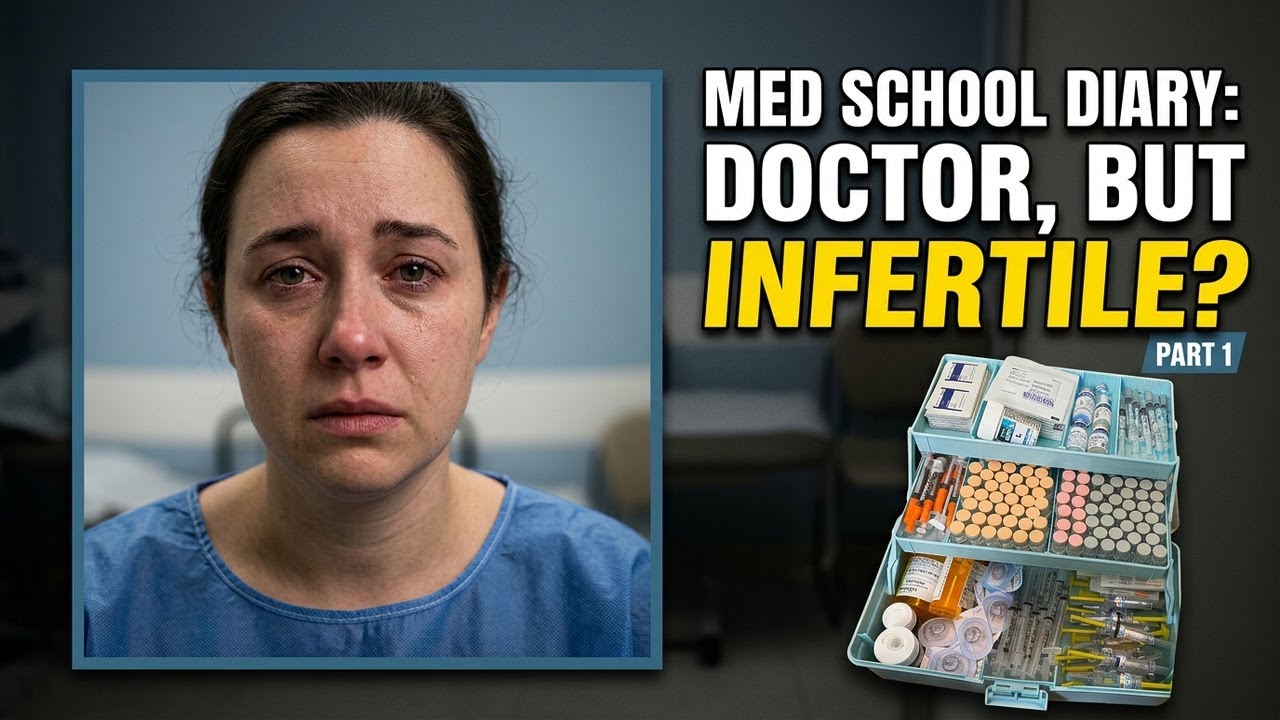
The second time around, I used a MyVitro medication organizer.
Having everything organized in one place significantly reduced my stress.
How I Organized My Fertility Medication Box
On the top shelf, I kept items I used frequently such as alcohol cleaning pads, gauze, numbing medication, small medication vials, and smaller syringes.
On the middle shelf, I organized additional syringes, saline, Menopur medication, and other supplies I needed regularly.
On the bottom shelf, I stored larger medication containers, longer syringes, Heparin injections, and extra medication supplies.
The exact way you organize your medications does not matter.
What matters is creating a system that makes sense to YOU.
When you are tired, hormonal, busy, and giving yourself multiple medications, reducing unnecessary confusion can be extremely helpful.
Transportation of Fertility Medications
Medication transportation became another logistical consideration.
Some fertility medications require refrigeration or other specific storage conditions.
If you are traveling, attending clinical rotations, working, or spending long periods away from home, plan ahead.
Make sure you understand the storage requirements for EACH medication directly from your pharmacist or fertility clinic.
Dealing With Pain and Endometriosis Flares
Ovarian stimulation was especially complicated for me because I also have endometriosis.
During my previous stimulation cycle, as my estrogen levels increased, my endometriosis symptoms became significantly worse.
As the follicles enlarged, I also experienced increasing pressure and pelvic pain.
The best way I could describe some days was:
"Pain. Exhaustion. Soreness everywhere."
My Pain-Management Strategies
Different things helped at different times.
Some of the tools I used included massage tools, TENS units, heat, loose clothing, constipation management, rest, and the medications recommended by my healthcare team.
Because everyone has different medical conditions and fertility protocols, always discuss medication and pain-management options with your own physician.
Clothing During Ovarian Stimulation
One surprisingly important consideration was clothing.
Anything that compressed my abdomen could become extremely uncomfortable.
Clothing that worked better for me included sweatpants, loose skirts, jumpsuits, loose scrubs, dresses, and nightgowns.
During later parts of stimulation, even some leggings became uncomfortable.
Loose clothing may sound like a small detail, but when your abdomen is swollen and painful, it can make a BIG difference.
Managing Constipation
Constipation can become another frustrating part of fertility treatment, particularly when combined with hormonal medications, reduced activity, abdominal discomfort, and other medications.
My personal strategies included fiber and the constipation treatments recommended to me.
Again, talk with your healthcare team before starting medications during a fertility cycle.
Emotional Preparation Matters Too
Fertility preservation is not simply a medical procedure.
It can involve grief, anxiety, hope, uncertainty, financial stress, relationship stress, physical discomfort, hormonal changes, and difficult decisions about the future.
For me, having emotional support was just as important as learning how to prepare injections.
Consider finding a therapist, infertility support group, online community, trusted friend, partner, or family member who can support you through the process.
Fertility Preservation During Medical School
Going through fertility treatment during medical school created additional logistical and emotional challenges.
Medical training already involves long hours, limited scheduling flexibility, financial stress, examinations, rotations, and uncertainty about future training locations.
Fertility treatment adds frequent blood draws, ultrasounds, injections, medication timing, procedures, recovery, and unpredictable schedule changes.
There are significant barriers to family planning within medicine.
Family Planning in Medicine
Physicians and medical students may delay childbearing because of training length, finances, limited parental leave, demanding schedules, unpredictable residency locations, or concerns about how pregnancy and parenthood will affect their careers.
These challenges are increasingly being discussed in the medical literature.
Check out the JAMA article by medical students and physicians examining barriers to family building among physicians and medical students.
Read About My Second Fertility Preservation Cycle
I documented my second fertility-preservation cycle week by week while completing my M3 clinical rotations.
That post includes more about:
Daily injections, follicle growth, estrogen levels, ultrasounds, medication mistakes, endometriosis flares, maternity clothing, nausea, trigger injections, egg retrieval, fertilization, and how many embryos ultimately reached the blastocyst stage.
Check out:
"My Ovarian Follicle Stimulation & Removal Journey"
Infertility & Fertility Preservation Resources
Check out my resources on living with infertility, including support groups, books, videos, articles, and other resources.
You can also listen to my "Life as a Patient-Doctor" Podcast episodes discussing infertility, endometriosis, fertility preservation, and medical training.
References
Doyle JO, Richter KS, Lim J, Stillman RJ, Graham JR, Tucker MJ. Successful elective and medically indicated oocyte vitrification and warming for autologous in vitro fertilization, with predicted birth probabilities for fertility preservation according to number of cryopreserved oocytes and age at retrieval. Fertil Steril. 2016;105(2):459-466.e2.
Oktay K, et al. Fertility Preservation in Patients With Cancer: ASCO Clinical Practice Guideline Update. J Clin Oncol. 2018;36.
Gleicher N, Weghofer A, Barad DH. Defining ovarian reserve to better understand ovarian aging. Reprod Biol Endocrinol. 2011;9:23.
Coleman E, Bockting W, Botzer M, et al. Standards of Care for the Health of Transsexual, Transgender, and Gender-Nonconforming People, Version 7. International Journal of Transgenderism. 2012;13:165-232.
Goldman RH, Racowsky C, Farland LV, Munné S, Ribustello L, Fox JH. Predicting the likelihood of live birth for elective oocyte cryopreservation: a counseling tool for physicians and patients. Human Reproduction. 2017;32(4):853-859.
Maslow BL, Guarnaccia MM, Ramirez L, Klein JU. Likelihood of achieving a 50%, 60%, or 70% estimated live birth rate threshold with 1 or 2 cycles of planned oocyte cryopreservation. Journal of Assisted Reproduction and Genetics. 2020;37(7):1637-1643.
Zeilmaker GH, et al. Fertil Steril. 1984;42(2):293-296.
Steiner AZ, Pritchard D, Stanczyk FZ, et al. Association Between Biomarkers of Ovarian Reserve and Infertility Among Older Women of Reproductive Age. JAMA. 2017;318(14):1367-1376.
King Z, Zhang Q, Liang JW, et al. Barriers to Family Building Among Physicians and Medical Students. JAMA Netw Open. 2023;6(12):e2349937.
Medical Disclaimer
***This blog post is for educational purposes only and is not intended or implied to be a substitute for professional medical advice, diagnosis, or treatment. This does not establish a doctor-patient relationship. All opinions are those of the writer and are not reflective of any institution or employer. Please follow up with your healthcare provider for individualized medical advice.***
Related Posts
Guide to Applying for Accommodations for..., Overcoming USMLE Step One Failures to..., Lessons Learned From Failing USMLE Step 1: A...